Every homeowner building a deck faces the same fork in the road: composite or wood? The sticker price on pressure-treated lumber is seductive — roughly $15–$25 per square foot installed vs. $30–$45 for composite. But that initial number is a trap.
We've built over 500 decks in the last decade. Here's the data we wish someone had shown us before we started recommending materials to homeowners.
The Hidden Maintenance Tax
A wood deck demands annual maintenance. You're looking at power washing ($150–$300), staining ($500–$1,200 for a 300 sq ft deck), and periodic board replacements as splitting and warping set in. Over 10 years, these costs add $5,000–$8,000 on top of your original build.
Here's what most homeowners don't realize: the annual staining isn't optional. Skip even one year and you accelerate the deterioration process. Wood absorbs moisture, swells, contracts, and develops hairline cracks that become structural problems over time. We've seen 8-year-old wood decks that needed complete tear-offs because the homeowner "only skipped staining twice."
Understanding Wood Options
Pressure-Treated Pine ($15–$20/sq ft installed): The most common and affordable option. Treated with copper-based preservatives to resist rot and insects. Lifespan: 10–15 years with maintenance. The catch? It warps, cracks, and splinters — especially in regions with freeze-thaw cycles.
Cedar ($20–$30/sq ft installed): Naturally resistant to rot and insects thanks to its oil content. Beautiful warm tones that weather to a silver-gray without staining. Softer than pressure-treated, so it dents and scratches more easily. Lifespan: 15–20 years with maintenance.
Redwood ($25–$35/sq ft installed): The premium natural wood choice. Stunning color, natural rot resistance, and excellent dimensional stability. Increasingly expensive due to limited supply. Lifespan: 20–25 years with maintenance.
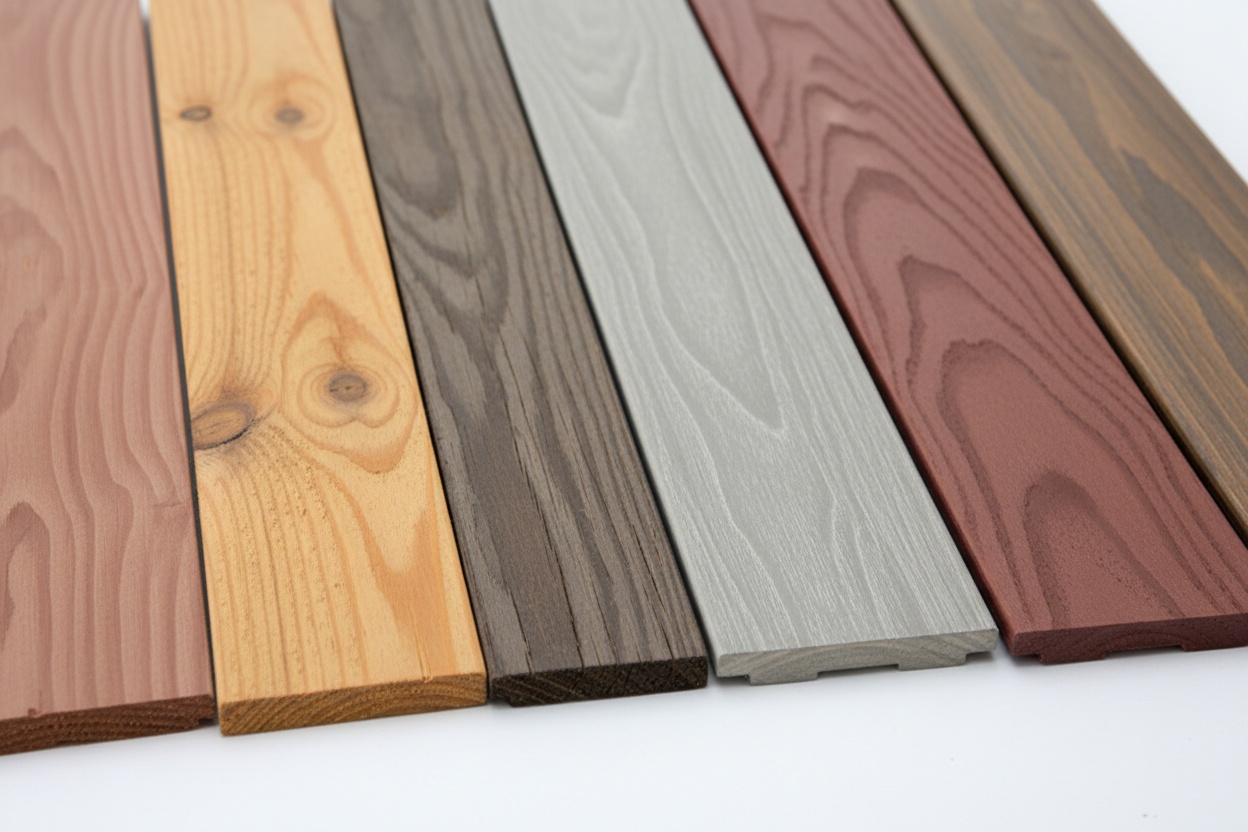
Composite: Pay More Now, Save More Later
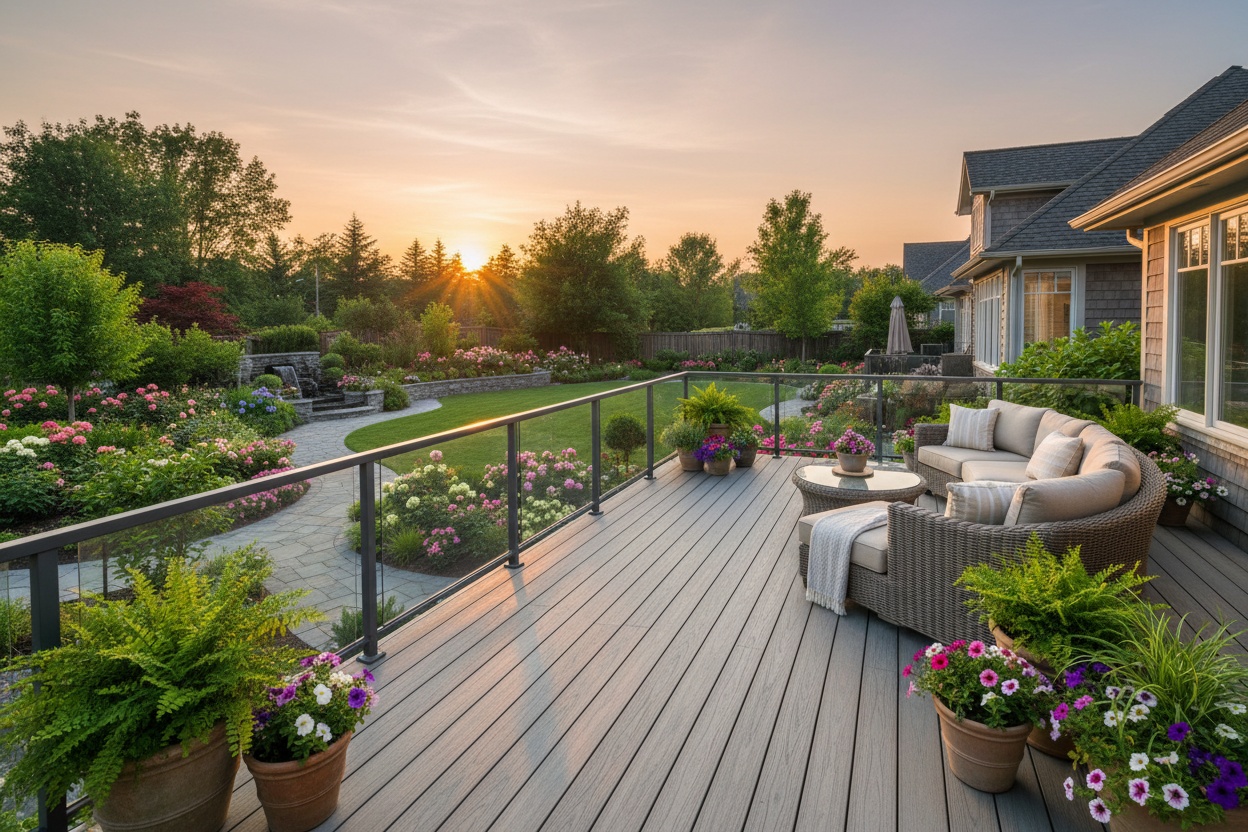
Composite decking — brands like Trex, TimberTech, and Fiberon — costs more upfront but requires virtually zero maintenance beyond occasional soap-and-water cleaning. Most manufacturers back their boards with 25–50 year warranties against structural defects, fading, and staining.
Entry-level composite ($25–$35/sq ft installed): Brands like Trex Select and Fiberon Good Life. Solid colors, decent fade resistance, 25-year warranties. These are the "good enough" options that still outperform wood on lifetime cost.
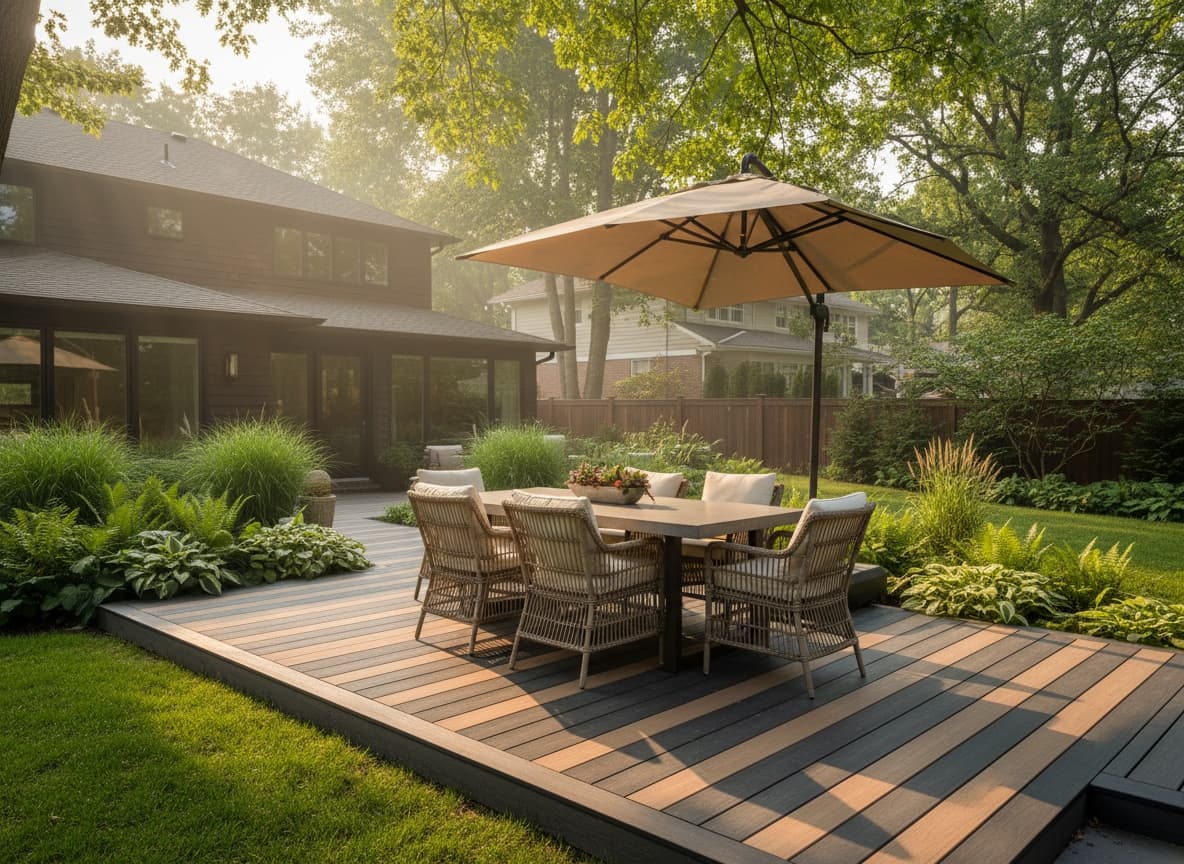
Mid-range composite ($35–$45/sq ft installed): Trex Transcend, TimberTech Azek Harvest. Multi-tonal color patterns that mimic real wood grain. Superior scratch and stain resistance. 50-year warranties.
Premium composite ($45–$60/sq ft installed): TimberTech Azek Vintage, Fiberon Concordia. PVC-capped boards that are virtually indestructible. Best color fidelity, deepest wood-grain textures. Lifetime limited warranties.
The 10-Year Math on a 300 Sq Ft Deck
| Cost Factor | Pressure-Treated | Composite |
|---|---|---|
| Initial build | $7,500 | $13,500 |
| Annual stain/seal (x10) | $4,000 | $0 |
| Board replacements | $1,500 | $0 |
| Power washing (x10) | $1,000 | $200 |
| 10-Year Total | $14,000 | $13,700 |
That's right — composite actually costs less over a decade. And you never spent a single Saturday staining.
Climate Considerations
Your local climate should weigh heavily in this decision:
Hot and sunny (Southwest, Florida): Composite can get uncomfortably hot underfoot in direct sun. Light colors help, but barefoot comfort is a real issue. Wood stays cooler. Consider shaded areas or lighter-colored composite.
Wet and rainy (Pacific Northwest, Northeast): Composite dominates here. Wood decks in wet climates develop mold, mildew, and moss that require constant attention. Composite resists all three.
Freeze-thaw cycles (Midwest, Mountain states): Both materials handle freeze-thaw, but wood suffers more cracking and checking. Composite's dimensional stability gives it the edge.
Resale Value Impact
According to the National Association of Realtors, a new deck addition recoups approximately 65–75% of its cost at resale. Composite decks tend to appraise slightly higher because buyers factor in the low-maintenance advantage. A well-maintained wood deck can match this, but the key word is "well-maintained" — and most aren't.
Our Recommendation
If you're staying in your home for 5+ years, composite is the clear winner. If you're flipping or on a razor-thin budget, pressure-treated wood gets the job done — just budget for the annual upkeep. And if you're building in a wet climate, composite isn't just the better choice — it's the only choice that makes financial sense long-term.