When we launched ClearCost, the biggest question was: "How can you put a price on a project you haven't seen in person?" It's a fair question — and the answer lies in data.
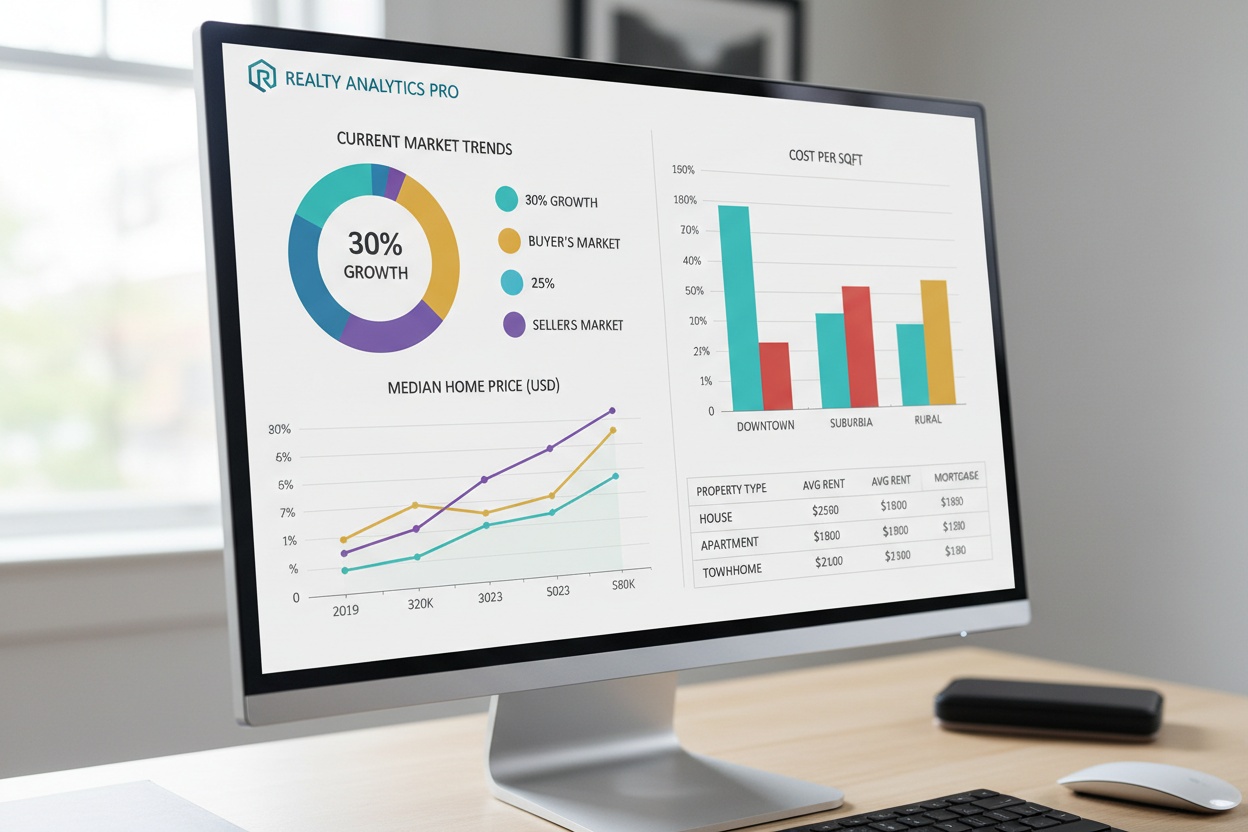
How the Fair Market Price Works
Our pricing engine combines four data layers:
1. Material costs: Real-time pricing from major suppliers (lumber yards, tile distributors, plumbing wholesalers) in your metro area. Material costs can vary 20–40% between regions — a 2x6 stud in Portland, OR costs significantly more than the same board in Atlanta, GA.
2. Labor rates: What licensed contractors in your zip code actually charge per hour, per trade (framing, plumbing, electrical, tile, paint). A licensed plumber in Manhattan charges $150–$200/hour. The same plumber in Tulsa charges $75–$100/hour. National averages are useless — local rates are everything.
3. Project specifications: Your answers to our project questionnaire — square footage, material grade, finish level, access complexity. The details matter. A 300 sq ft deck at ground level is a fundamentally different project than a 300 sq ft deck 8 feet above grade. We account for over 40 variables per project type.
4. Market conditions: Seasonal demand curves, permit fee databases, and local market multipliers. Contractor pricing is 10–20% higher during peak season (spring and summer in most markets). We factor in these seasonal fluctuations so your estimate reflects when you're actually building.
Why Generic Ranges Don't Work
Google "bathroom remodel cost" and you'll get "$10,000–$30,000." That range is so wide it's functionally useless. It doesn't account for:
- Your specific bathroom size and layout
- Whether you're moving plumbing or keeping the existing layout
- The material grade you want (builder-basic vs. designer)
- Your local labor rates and permit costs
- Whether your home has 1950s plumbing that needs updating
A Fair Market Price narrows that range to what your specific project should cost in your specific market. Instead of "$10,000–$30,000," you get something like "$16,200–$19,800" — a range that actually helps you make a decision.
Accuracy
Our Fair Market Price falls within 10–15% of the final contracted price in 85% of completed projects. Not perfect — but dramatically more useful than "it depends."
The 15% of projects that fall outside this range are almost always due to hidden conditions (water damage behind walls, outdated electrical requiring a panel upgrade) that no estimate — in-person or data-driven — could have predicted before demolition.
How to Use Your Fair Market Price
As a budget tool: Plan your financing, savings draw, or HELOC around the midpoint of your Fair Market Price range. Add 15% as a contingency buffer for unknowns.
As a negotiation benchmark: When a contractor provides their quote, compare it to your Fair Market Price. If they're within 10% of the range, that's a fair bid. If they're 30% above, ask them to justify the premium — there may be a good reason, or they may be inflating.
As a red flag detector: A bid that's 30–40% below your Fair Market Price is just as concerning as one that's 30% above. Dramatically low bids almost always signal cut corners, missing scope items, or a change-order-heavy business model.