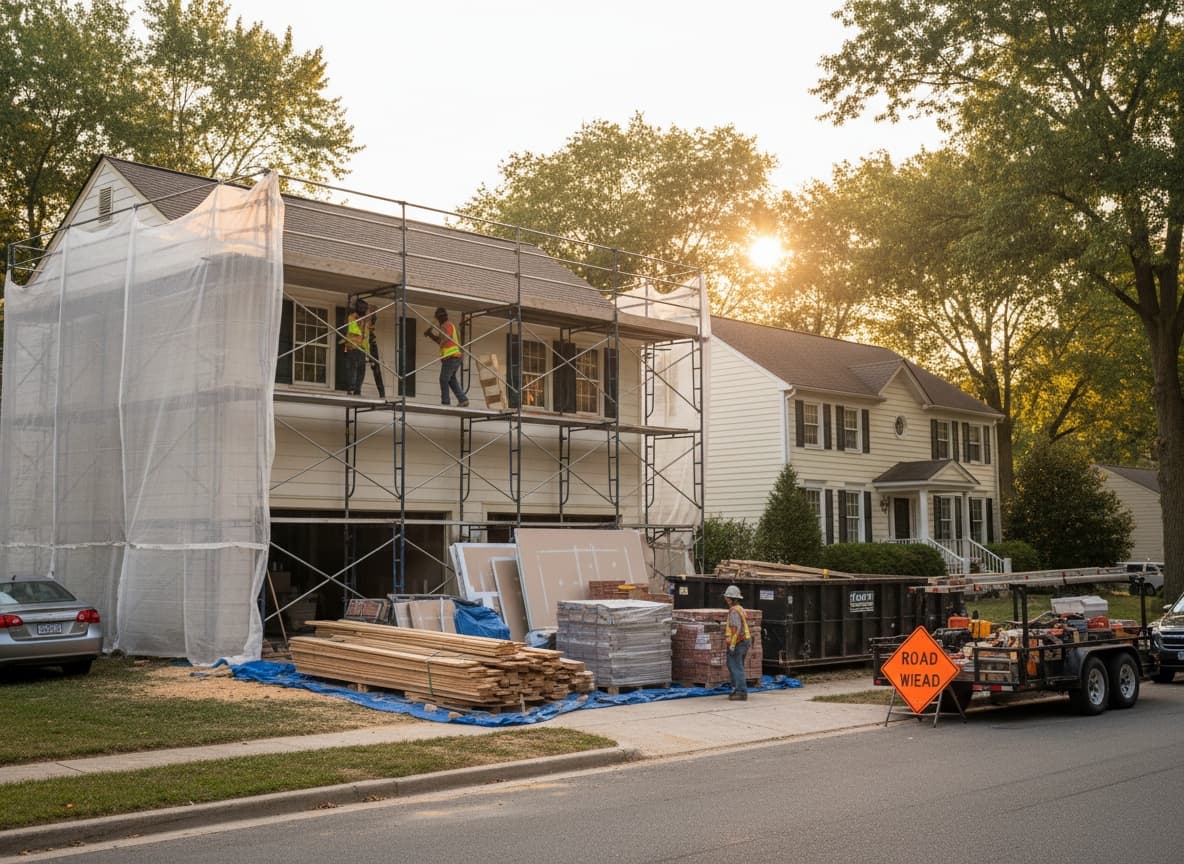
We see this mistake constantly: a homeowner hires a handyman for a job that requires a licensed general contractor — and ends up paying twice to fix the results. Understanding the difference can save you thousands of dollars and months of headaches.

What a Handyman Does
A handyman handles small, isolated tasks: hanging shelves, fixing a leaky faucet, patching drywall, assembling furniture, replacing a light fixture. Most states don't require a license for handyman work, though some cap the job value at $500–$1,000.
Typical handyman tasks:
- Hanging TVs, shelves, curtain rods, and art
- Patching and painting drywall
- Replacing faucets, toilets, and garbage disposals
- Fixing squeaky doors, sticky windows, and loose hardware
- Assembling furniture and installing closet systems
- Replacing light fixtures, switches, and outlets (varies by state)
- Power washing decks and siding
- Caulking, weatherstripping, and minor sealing
Typical cost: $50–$100/hour or $200–$600 per half-day visit.
What a Licensed General Contractor Does
A GC manages full-scope renovation projects that involve multiple trades (plumbing, electrical, framing, HVAC). They pull permits, coordinate subcontractors, manage timelines, and ensure code compliance. Licensing requirements include passing a trade exam, carrying liability insurance ($1M+ typically), maintaining worker's comp coverage, and registering with the state.
Typical GC projects:
- Kitchen and bathroom remodels
- Room additions and home extensions
- Basement finishing
- Deck and patio construction
- Structural modifications (wall removal, load-bearing changes)
- Whole-house renovations
- Any project requiring a building permit
Typical cost: GC overhead and profit is usually 15–25% on top of the direct costs (labor, materials, subs). For a $30,000 project, the GC's management fee is roughly $4,500–$7,500 — which pays for permitting, scheduling, quality control, and the warranty that backs the entire project.

The Danger Zone
The gray area is projects that seem simple but involve structural, electrical, or plumbing work: installing a bathroom vanity (plumbing), adding recessed lights (electrical), or building a deck (structural). These require licensed tradespeople — not because of gatekeeping, but because code violations create real safety risks and can tank your home's value.
Real examples we've seen:
- A handyman installed a bathroom exhaust fan but vented it into the attic instead of outside — causing $8,000 in mold damage within 2 years
- An unlicensed worker built a deck without proper footings — the deck shifted 3 inches after the first winter, requiring a complete rebuild
- A "general handyman" did an electrical panel upgrade without a permit — the home failed its pre-sale inspection and the buyer walked
How to Verify a Contractor's License
Every state has a contractor licensing board with an online lookup tool. Before hiring anyone for permitted work:
- Ask for their license number (legitimate contractors will provide it without hesitation)
- Look it up on your state's licensing board website
- Verify their insurance is current (ask for a Certificate of Insurance — a legitimate contractor can produce one in 24 hours)
- Check for complaints or disciplinary actions on the licensing board site
When in Doubt
If the project requires a permit, you need a licensed contractor. Period. If you're not sure whether a permit is needed, call your local building department — it's a free phone call that could save you thousands.