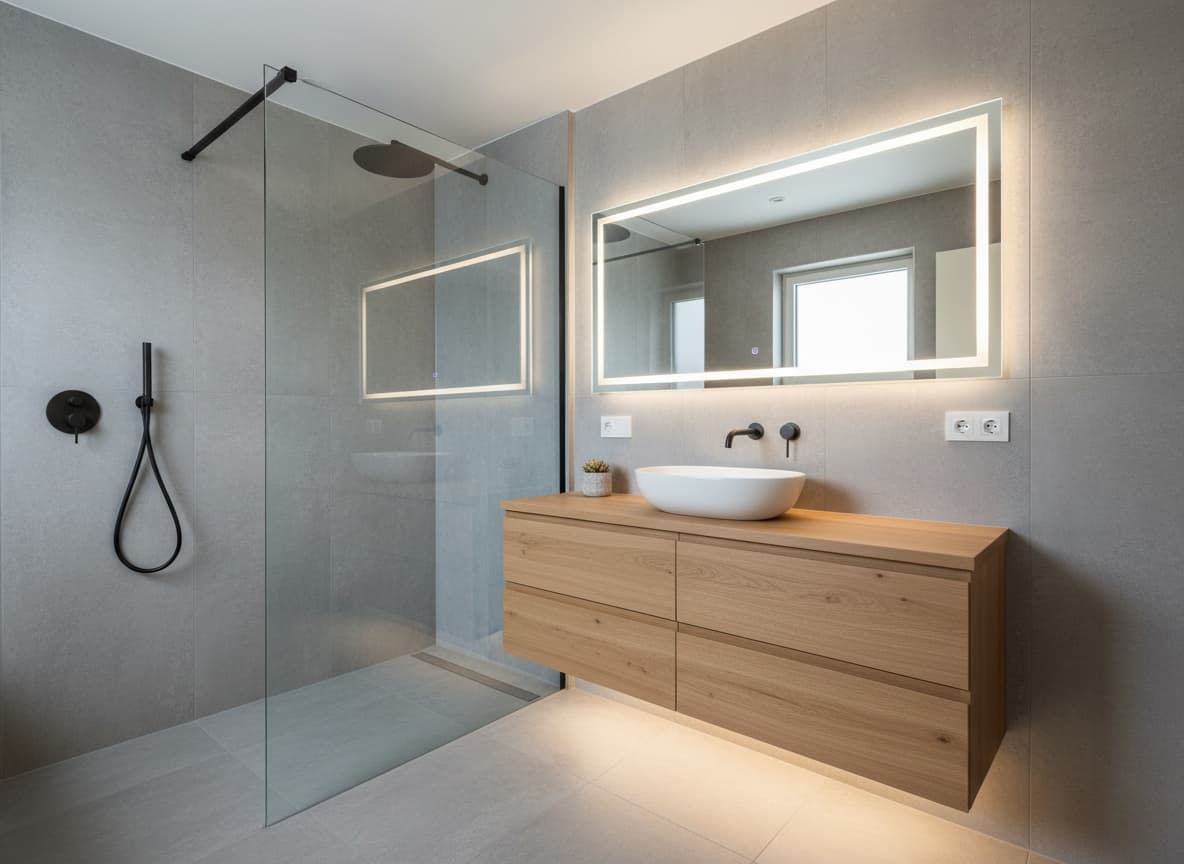
One of the most common requests we hear during bathroom planning: "Can we move the toilet to the other wall?" The answer is always yes. The follow-up is always: "It's going to cost about $2,000 more than you think."
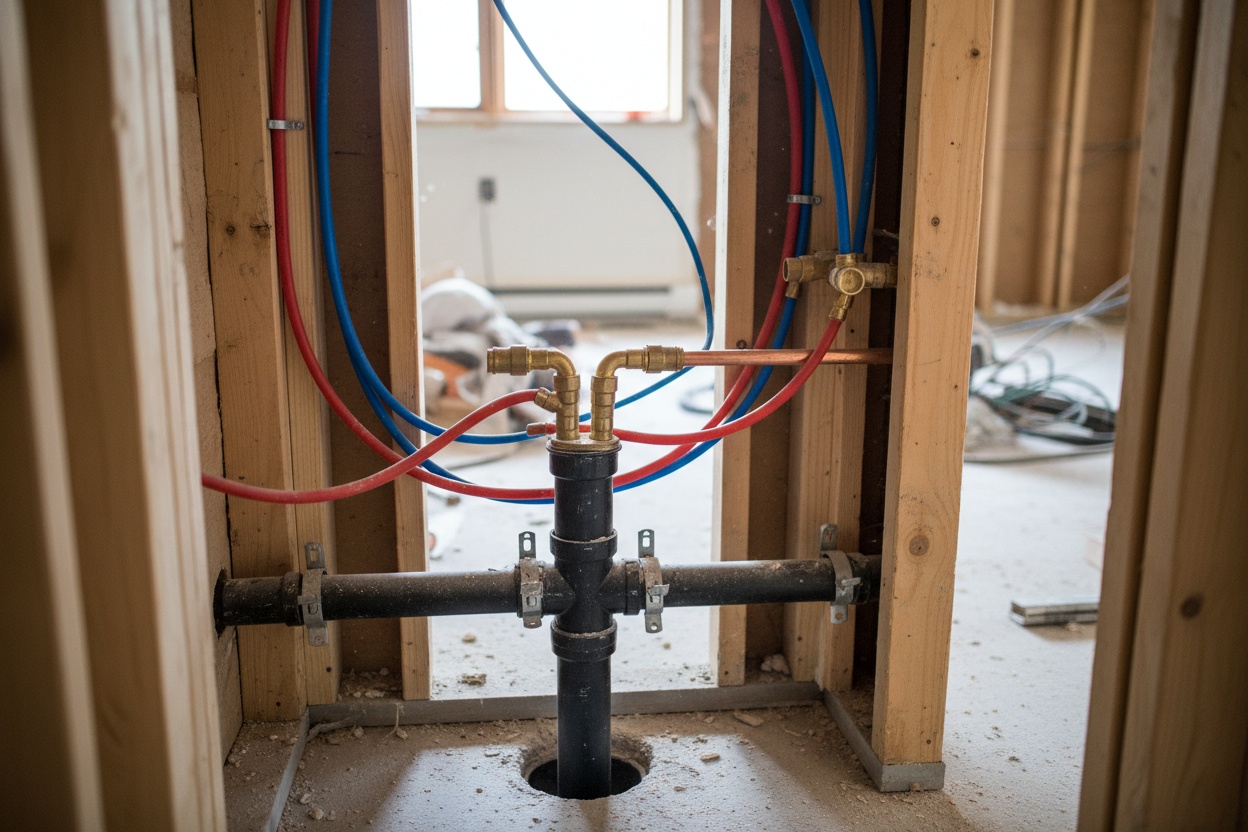
Why Plumbing Moves Are Expensive
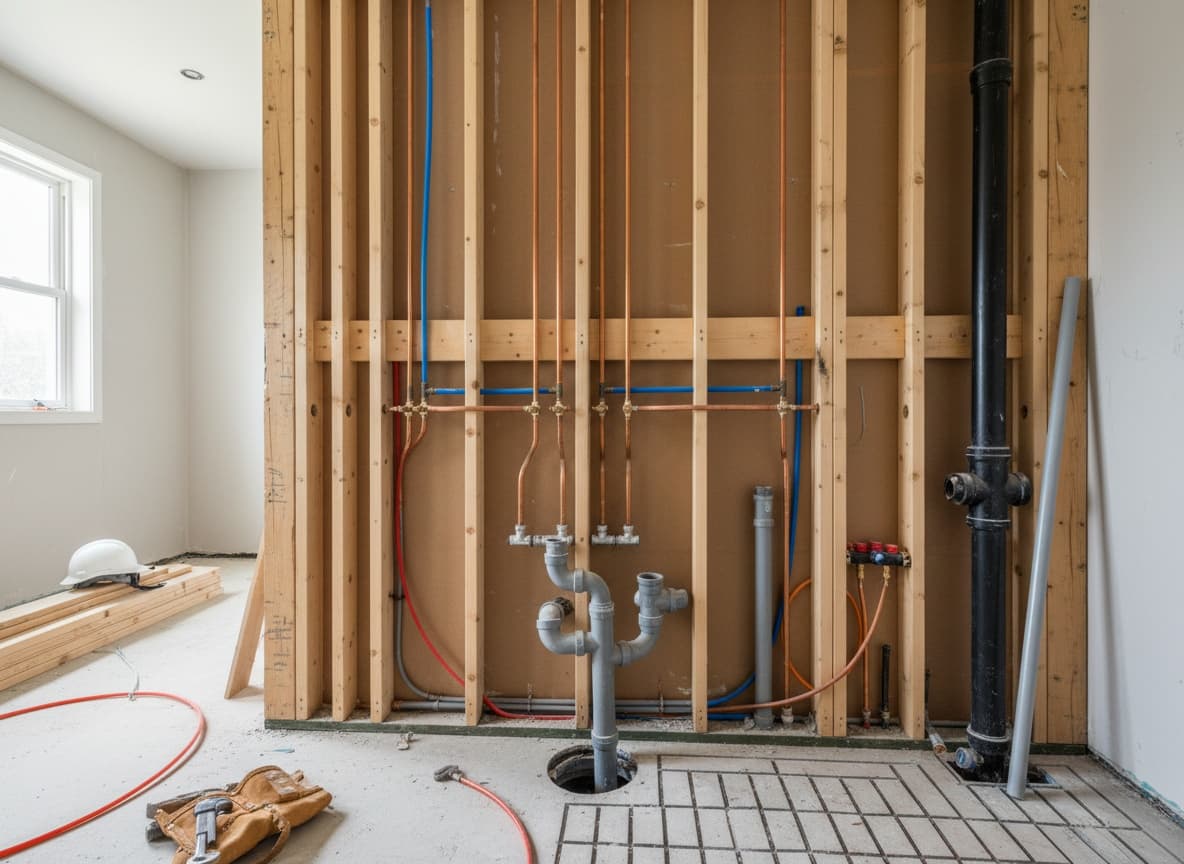
Your toilet's waste line runs through or under the floor — often through a concrete slab on the first floor. Moving it requires cutting the slab, re-routing the 3" or 4" drain line, pouring new concrete, and often pulling a separate plumbing permit.
Here's what most homeowners don't understand: plumbing isn't like electrical. You can't just run a new wire through the wall. Drain lines rely on gravity — they must slope at a specific grade (typically 1/4" per foot) to function properly. Moving a fixture even a few feet can require re-engineering the entire drain path to maintain proper slope, connect to the main stack, and meet code requirements for venting.
The Cost Cascade
| Work Item | Cost Range |
|---|---|
| Slab cutting and repair | $800–$1,200 |
| New drain line routing | $500–$800 |
| Plumbing permit and inspection | $150–$350 |
| Additional labor time | $300–$500 |
| Total | $1,750–$2,850 |
The Supply Line Factor
Don't forget about supply lines (hot and cold water). While less expensive to move than drain lines (no gravity constraints), supply line relocation still adds $200–$500 per fixture. If you're moving both the toilet and the vanity to opposite walls, multiply accordingly.
Second Floor vs. First Floor
Moving plumbing on the second floor is significantly easier (and cheaper) than on a slab. With a wood-framed floor, the plumber can access the drain lines from below without cutting concrete. Cost savings: typically 30–40% compared to slab work. If your bathroom is above a basement or crawl space, plumbing moves become much more financially feasible.
When It's Worth It
If moving the plumbing dramatically improves the layout — like gaining space for a walk-in shower or double vanity — the extra cost often pays for itself in daily livability and resale value. If it's purely aesthetic, think twice.
Our rule of thumb: If the plumbing move transforms a 5/10 bathroom layout into an 8/10, it's almost always worth it. If it takes a 7/10 to a slightly different 7/10, save your money.